
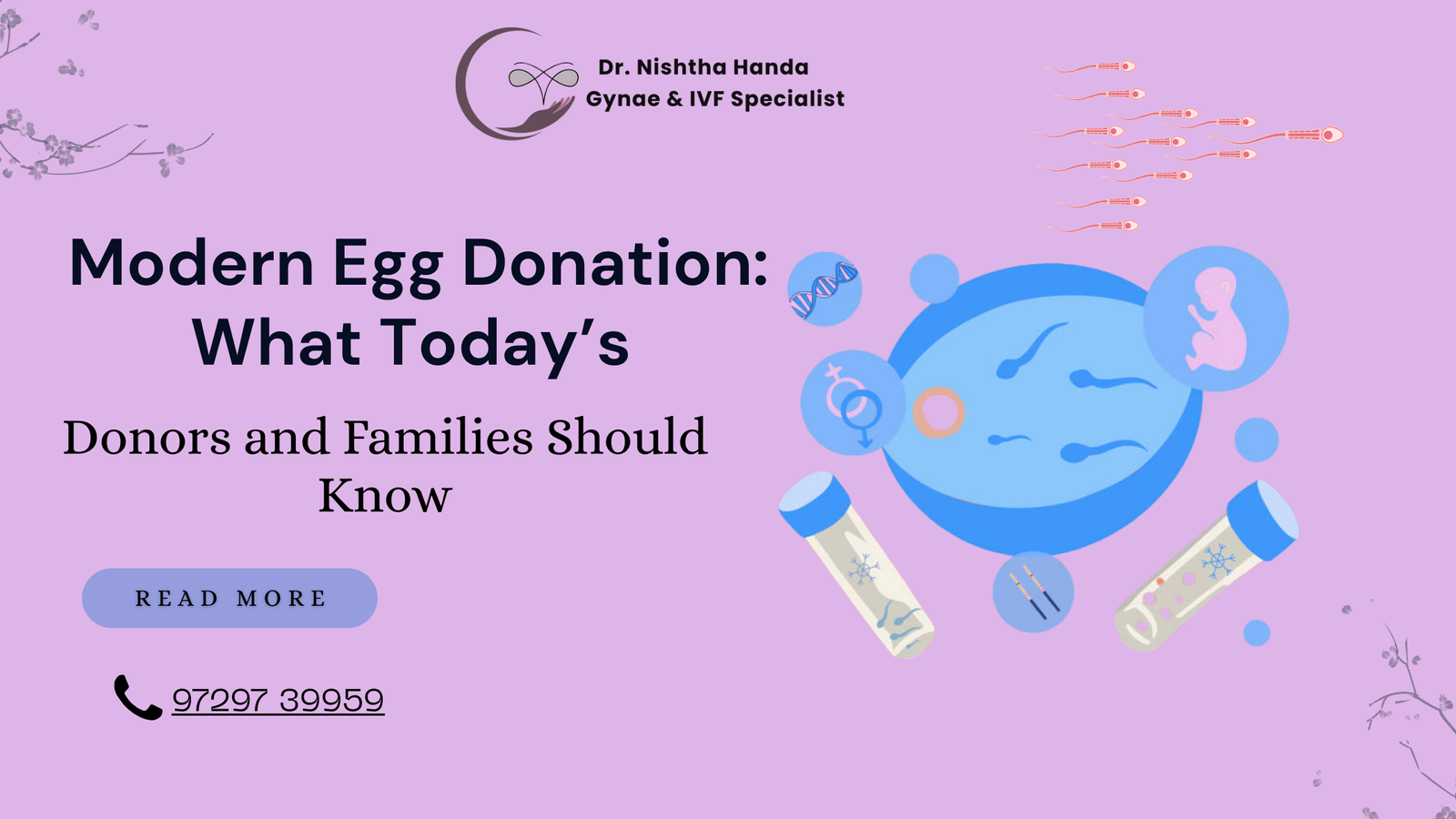
Modern Egg Donation: What Today’s Donors and Families Should Know
Egg donation has become an essential part of modern reproductive healthcare, offering new possibilities for individuals and couples who need assistance in building a family. Advances in medical science, combined with more supportive care systems, have made today’s egg donation process safer, more informed, and more accessible than ever before. Whether you are considering becoming an egg donor or exploring egg donation as a path to parenthood, understanding how the modern process works can help you make confident and informed decisions.
This guide breaks down the essentials—medical steps, safety standards, legal considerations, and emotional support—so both donors and intended families can clearly understand what to expect.
Modern egg donation involves a healthy donor providing her eggs to help an individual or couple conceive through assisted reproductive technology (ART). Fertility centers today use advanced screening, improved laboratory techniques, and personalized care to ensure safety and success for everyone involved.
Many reputable centers, such as the Best IVF Clinic in Patel Nagar, follow national and international guidelines to maintain the highest medical and ethical standards in egg donation.
Egg donors must meet specific medical, physical, and psychological requirements. Although criteria vary slightly between clinics, most follow similar eligibility guidelines:
● Age typically between 21 and 32 years
● Good overall physical and reproductive health
● Regular menstrual cycles
● Non-smoker and no substance misuse
● No major hereditary or genetic conditions
● Willingness to undergo medical and psychological screening
These standards help ensure the health and safety of both the donor and the future child. Clinics like the Best IVF Clinic in Patel Nagar perform comprehensive assessments to confirm donor suitability before moving forward.
Although every clinic may differ slightly, modern egg donation typically includes the following key stages:
Donors undergo blood tests, genetic screening, ultrasound evaluations, and counseling.
This step ensures the donor is medically fit and fully understands the process, expectations, and responsibilities.
Before treatment begins, both parties review and sign legal agreements to clarify parental rights, anonymity (if applicable), and obligations.
Clear documentation protects both donors and intended parents.
Donors receive hormone injections for about 10–14 days to encourage multiple eggs to mature.
During this period, monitoring appointments track:
● Follicle growth
● Hormone levels
● Ovarian response
Clinics such as the Best IVF Clinic in Patel Nagar offer close monitoring to ensure the donor's comfort and safety throughout this stage.
Egg retrieval is a short, outpatient procedure performed under light sedation. A fertility specialist uses ultrasound guidance to collect mature eggs from the ovaries.
The process usually takes 15–20 minutes, and donors typically return home the same day.
Most donors resume normal activities within 24–48 hours. Clinics provide after-care instructions and a follow-up appointment to ensure complete recovery.
For many families, egg donation is a life-changing opportunity. It is often recommended when:
● A woman has low ovarian reserve or poor egg quality
● There is a risk of passing genetic conditions to a child
● Age-related fertility decline affects treatment success
● LGBTQ+ couples or single parents wish to grow their family
Through IVF, donated eggs are fertilized in a laboratory, and healthy embryos are transferred to the intended parent or surrogate. The result is a safe, well-structured path to pregnancy that incorporates modern technology and compassionate care.
Today’s fertility centers follow strict clinical standards to protect donors and recipients. Modern egg donation emphasizes:
● Informed consent
● Transparent communication
● Medical safety and close monitoring
● Confidentiality and ethical practice
● Psychological well-being for all parties
Reputable healthcare facilities such as the Best IVF Clinic in Patel Nagar prioritize ethical treatment and ensure donors are not exposed to unnecessary risks.
Egg donation is not only a medical process—it's an emotional journey.
Both donors and intended parents may experience a range of feelings, including excitement, hope, or anxiety.
Professional counseling helps participants understand:
● Emotional expectations
● Long-term considerations
● Decision-making clarity
● Communication between donors and clinics
Modern centers offer ongoing support to make the experience positive, informed, and grounded in emotional well-being.
As egg donation becomes more common, providing correct, easy-to-understand information is essential. Families and donors deserve clear guidance, trustworthy healthcare professionals, and transparent processes. This ensures informed decisions and promotes safe, ethical, and empowering reproductive care.
Modern egg donation combines advanced medical technology with compassionate guidance to help create families in a safe and ethical way. Understanding the process—from screening and treatment to legal considerations and emotional support—helps donors and intended parents enter the journey with confidence.
Whether someone is donating eggs out of generosity or seeking help to start a family, choosing a knowledgeable and reputable clinic is essential for a healthy, positive experience. Facilities like the Best IVF Clinic in Patel Nagar demonstrate the importance of high-quality care, proper counseling, and medical excellence throughout the egg donation process.
FAQ
1. What makes the Best IVF Clinic in Patel Nagar stand out from other fertility centers?
The Best IVF Clinic in Patel Nagar is known for its advanced medical technology, experienced fertility specialists, high success rates, and patient-centered care. The clinic follows strict safety and ethical guidelines to ensure the best outcomes for donors, intended parents, and IVF patients.
Yes. The Best IVF Clinic in Patel Nagar provides a complete egg donation program, including donor screening, legal counseling, ovarian stimulation, egg retrieval, and emotional support. Both donors and intended families receive personalized care throughout the process.
Eligible donors are typically women aged 21–32 who are in good health, have regular menstrual cycles, and do not smoke or use substances. The Best IVF Clinic in Patel Nagar conducts medical, genetic, and psychological evaluations to ensure donor suitability.
Yes. The clinic uses modern monitoring techniques, safe medication protocols, and expert medical supervision. The Best IVF Clinic in Patel Nagar prioritizes donor safety, informed consent, and transparent communication throughout the process.
You can begin by booking a consultation. The Best IVF Clinic in Patel Nagar will guide you through the initial assessment, explain your options, discuss costs, and create a personalized treatment plan or donor pathway based on your needs.

Dr. Nishtha Handa is a highly accomplished and compassionate Obstetrician, Gynaecologist, and Fertility Specialist based in New Delhi. She holds an MBBS and MS in Obstetrics & Gynaecology, along with a DNB, and has pursued advanced fellowships in Minimal Access Surgery and Reproductive Medicine. Trained at ABVIMS & Dr. Ram Manohar Lohia Hospital, Delhi, she is committed to providing holistic and evidence-based care to women across all stages of life.



.png)
.png)
.png)
.png)